
NV State Guide · Updated March 2026
Best Grass Seed for Nevada
Top grass seeds for Nevada lawns that survive desert heat and water restrictions. Expert picks for Las Vegas, Reno, Henderson, and Carson City.
Disclosure: This article contains affiliate links. If you buy through our links, we may earn a commission at no extra cost to you. All opinions are our own. Learn more.
Nevada is the driest state in the nation — that's not rhetorical, it's a climatological fact. Average annual precipitation is 9.5 inches statewide, and Las Vegas gets about 4.2. Let that number sit for a moment. Four inches of rain per year. Growing a lawn in Nevada isn't lawn care in any traditional sense — it's an act of deliberate engineering that requires a constant supply of imported water, and every gallon of that water has a cost that's increasing year over year. The Southern Nevada Water Authority (SNWA) has been at the forefront of water conservation for two decades, and their message is blunt: ornamental grass is the single biggest waste of residential water in the Las Vegas Valley. Whether you agree with that framing or not, the reality is that maintaining a lawn in Nevada requires confronting the water question honestly before you buy a single bag of seed. UNR Extension has been studying turfgrass survival in desert conditions for years, and their findings consistently point to the same conclusion — the most important lawn decision in Nevada isn't what grass to plant, it's how much grass to plant and where.
Las Vegas and Henderson are in Zone 9a to 9b — one of the most extreme urban environments for lawns in the United States. Summer temperatures exceed 115 degrees, relative humidity drops to single digits, the native soil is desert caliche and alkaline sand with pH values pushing 8.5 to 9.0, and the tap water drawn from Lake Mead is hard enough to leave white mineral deposits on everything it touches. Bermuda grass is the only species that handles these conditions with any reliability, and even bermuda requires 1 to 1.5 inches of irrigation per week through the five-month summer inferno. Clark County banned new front-yard ornamental grass installations back in 2003, making Las Vegas one of the first major metro areas in the country to legislate against residential turf. The SNWA's Water Smart Landscapes rebate program pays $3 per square foot to remove existing grass — up to $30,000 for large properties. If you're keeping a lawn in Las Vegas, you're swimming against a strong policy and economic current, and the grass you choose needs to justify every drop of water it consumes. Bermuda in a functional backyard makes sense. Five thousand square feet of ornamental turf baking in the Mojave sun does not.
Northern Nevada — Reno, Sparks, Carson City — is a fundamentally different climate that shares almost nothing with Las Vegas except the state name on the map. Sitting at 4,500 feet in the rain shadow of the Sierra Nevada, the Truckee Meadows receive 7 to 8 inches of annual precipitation, most of it as winter snow. But the elevation brings Zone 6b to 7a conditions with cold winters (teens and single digits are normal December through February), genuine four-season weather, and a high-desert climate that's dry but not the blast furnace of southern Nevada. Cool-season grasses are viable here — Kentucky bluegrass and tall fescue are the primary lawn grasses in the Reno metro — but water is still the constraining factor. The Truckee River, fed by Lake Tahoe and Sierra snowpack, is the sole water source for the region, and drought years expose the fragility of that single-source supply. TMWA (Truckee Meadows Water Authority) has implemented its own turf reduction rebate programs, and UNR Extension actively promotes water-efficient grass varieties for northern Nevada homeowners who want to keep their lawns but reduce their water footprint.
Nevada soil statewide is a challenge that surprises transplants from the Midwest or Southeast who've never dealt with alkaline desert ground. In the Las Vegas Valley, you're dealing with caliche — a rock-hard calcium carbonate layer that sits anywhere from 6 inches to 2 feet below the surface. It's essentially natural concrete that formed over millennia in the desert heat. Water pools on top of it, roots can't penetrate it, and digging through it requires power tools or a jackhammer. In the Reno area, the soil is volcanic ash and decomposed granite — better drained than caliche but alkaline (pH 7.5 to 8.5), low in organic matter, and prone to wind erosion during the notorious Washoe zephyr events that can gust to 80 mph. Both regions share the hard water problem: Nevada municipal water is some of the hardest in the country, loaded with dissolved calcium and magnesium that leave white deposits on soil surfaces and gradually raise soil pH even further every time you irrigate. UNR Extension recommends annual soil testing because your soil chemistry is literally changing each year from the water you apply, and what worked last season may need adjustment this season.
Here's the pragmatic Nevada lawn care philosophy that the smartest homeowners in both Las Vegas and Reno have adopted: small is smart. A 1,000-square-foot bermuda lawn in the backyard where the family actually uses it, surrounded by water-efficient desert landscaping with decomposed granite, native desert plants, and strategic boulder placement, makes infinitely more sense than 5,000 square feet of turf baking in the Las Vegas sun or drinking from the Truckee River in Reno. In northern Nevada, a well-designed cool-season lawn in the front with RTF fescue that needs 30 percent less water than bluegrass gets you curb appeal without the water guilt. Nevada rewards homeowners who think strategically about where grass adds real value to their life and where xeriscaping, gravel, or native plants make more sense. The best Nevada lawn is often a smaller Nevada lawn — and the money you save on water can fund a higher-quality grass variety in the space you do keep.
Quick Picks: Our Top 3 for Nevada
Understanding Nevada's Lawn Climate
Arid to semi-arid — the driest state in the nation with only 9 inches of average annual precipitation. Las Vegas in the south is Mojave Desert with 115F+ summer heat and less than 4 inches of rain per year. Reno in the north has a high-desert continental climate with cold, snowy winters and warm, dry summers. Water is the defining issue — the Southern Nevada Water Authority has banned most ornamental grass in new developments, and existing lawns face strict watering schedules. If you're maintaining a lawn in Nevada, every blade of grass must earn its water.
Key Challenges
Best Planting Time for Nevada
Late March through May for bermuda in southern NV; September for cool-season grass in Reno/northern NV
Our Top 3 Picks for Nevada
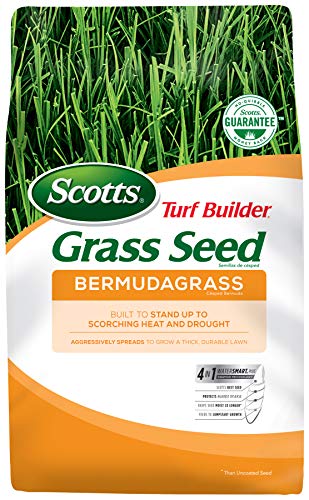
Scotts Turf Builder Bermudagrass
Scotts · Warm Season · $30-45 for 10 lbs
Why this seed for Nevada: If you're maintaining a lawn in Las Vegas, bermuda is the only real option. It survives 115F heat, handles the alkaline soil, and stays green on minimal water once established.
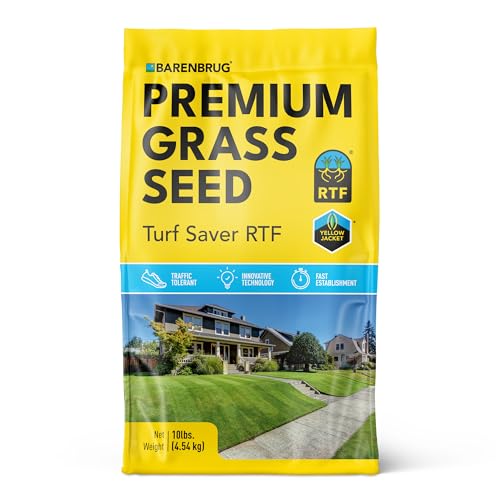
Barenbrug RTF Water Saver
Barenbrug · Cool Season · $40-55 for 5 lbs
Why this seed for Nevada: For Reno and northern Nevada, RTF's deep roots and water efficiency make it the best cool-season option. Self-repair means less reseeding in the harsh high-desert climate.
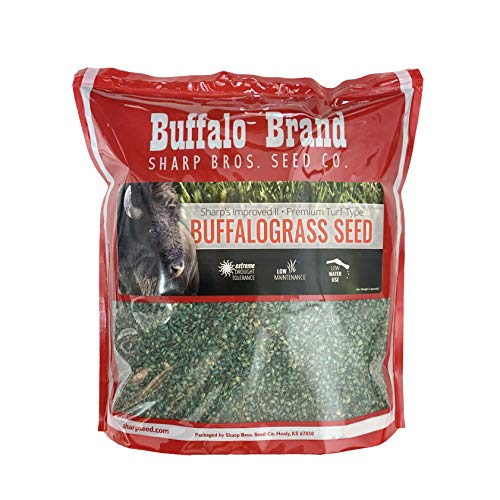
Sharp's Improved II Buffalo Grass
Sharp Bros. Seed Co. · Warm Season · $24 (3 lbs)
Why this seed for Nevada: For the Nevada homeowner who wants grass without the massive water bill, buffalo grass survives on minimal irrigation. Best for the Reno area where bermuda struggles in winter.
Best Grass Seed by Region in Nevada
Las Vegas Valley / Southern Nevada
The Las Vegas Valley — Las Vegas, Henderson, North Las Vegas, Summerlin, and surrounding unincorporated Clark County — is home to 2.3 million people in a Mojave Desert basin that receives 4 to 5 inches of annual rainfall. Zone 9a to 9b conditions bring summer highs exceeding 115 degrees for weeks at a time, winter lows in the mid-20s (cold enough to send bermuda fully dormant for three months), and year-round aridity that makes every irrigation dollar count. The soil is desert sand and caliche — alkaline (pH 8.0 to 9.0), nearly devoid of organic matter, and underlain by impenetrable calcium carbonate hardpan in many areas that must be mechanically broken before any lawn installation. Clark County banned new front-yard ornamental grass in 2003, and the SNWA pays $3 per square foot to remove existing turf through their Water Smart Landscapes program. Bermuda is the only viable lawn grass, and it's increasingly confined to functional backyards rather than ornamental front-yard displays. The conversation about a broader bermuda ban surfaces periodically in local politics, reflecting the ongoing tension between residential water use and Lake Mead's declining levels.
Top picks for this region:
- ✓Water before 5 AM without exception — daytime irrigation in Las Vegas summer heat loses 60 percent or more to evaporation before reaching the root zone, making afternoon watering an expensive way to irrigate the atmosphere
- ✓Bermuda needs 1 to 1.5 inches of water per week in summer, delivered in 3 to 4 sessions — the sandy soil and extreme heat demand more frequent but shorter watering cycles than clay soils in other states
- ✓Caliche must be broken or drilled through before planting — if you hit an impenetrable layer within 12 inches, you need to either fracture it mechanically or build raised planting beds with imported soil on top
- ✓The SNWA Water Smart Landscapes program pays $3 per square foot to remove ornamental grass — seriously consider converting front yards and unused side-yard lawn areas to desert landscaping and keeping grass only where the family uses it
Reno-Sparks / Northern Nevada
The Reno-Sparks metro area sits at 4,500 feet in the Truckee Meadows, flanked by the Sierra Nevada to the west and the Virginia Range to the east. Zone 6b to 7a conditions bring genuine four-season weather: hot dry summers (95 to 100 degrees), cold winters (teens to single digits), and 7 to 8 inches of annual precipitation — most falling as winter snow that melts and runs off rather than soaking into lawns. The soil is volcanic ash, decomposed granite, and clay-loam, generally well-drained but alkaline (pH 7.5 to 8.0) and low in organic matter. Wind is a defining factor — the Washoe zephyr, a powerful downslope wind from the Sierra, can gust to 80 mph and devastate sprinkler efficiency, blow newly seeded areas bare, and desiccate exposed turf. The Truckee River provides the region's water supply, and drought years create real conservation pressure. Cool-season grasses — Kentucky bluegrass and tall fescue — dominate the residential landscape. RTF water saver fescue is gaining market share rapidly as TMWA promotes water-efficient alternatives and homeowners feel the pinch of rising water costs tied to Truckee River allocation limits.
Top picks for this region:
- ✓RTF water saver fescue reduces irrigation needs by 30 percent compared to Kentucky bluegrass — in a water-constrained market like Reno, this difference shows up meaningfully on your TMWA bill from May through September
- ✓The volcanic ash soil drains fast but holds almost no nutrients — fertilize in smaller, more frequent applications (three light passes rather than two heavy ones) to prevent nutrients from leaching through before roots absorb them
- ✓Wind is a serious factor in the Truckee Meadows — use erosion blankets for any spring seeding, water before 5 AM when wind is calm, and use low-angle sprinkler heads that keep water close to the ground during windy conditions
- ✓Iron chlorosis is common in Reno's alkaline soils — use EDDHA chelated iron as a foliar spray every 4 to 6 weeks rather than granular iron products that get locked up immediately by the high pH
Rural Nevada / Elko-Carson City
Rural Nevada encompasses a vast geographic range — from Carson City and the Carson Valley (Gardnerville, Minden) in the west to Elko, Winnemucca, and Ely in the north and east. Carson City sits at 4,700 to 5,000 feet in Zone 6b with cold winters and warm but manageable summers, with slightly better soil than Reno thanks to Carson River valley alluvium and former ranch land. The Carson Valley around Minden and Gardnerville offers some of the best lawn-growing conditions in the state — fertile loamy soil, reliable well water, and cooler summers than the Truckee Meadows. Elko at 5,100 feet in Zone 5b to 6a experiences genuinely harsh winters (minus 20 is not unusual) and hot dry summers, with ranching culture that favors practical landscapes over manicured turf. Water sources in rural Nevada vary from mountain wells to river diversions to municipal systems, and many rural properties rely on well water that can be extremely hard. The growing season in these communities runs from mid-April through mid-October in the Carson Valley, and mid-May through September in Elko. Cool-season grasses are the only option, with Kentucky bluegrass and tall fescue blends dominating in the western communities and hardier KBG and buffalo grass making sense in the colder eastern reaches.
Top picks for this region:
- ✓Carson Valley's slightly higher precipitation and cooler summers make it the best lawn-growing environment in Nevada — the fertile valley bottom soils around Minden and Gardnerville respond well to a standard cool-season lawn program that would fail in Reno or Las Vegas
- ✓Elko's Zone 5b winters demand cold-hardy grass selection — standard tall fescue can suffer winterkill at minus 20, so Kentucky bluegrass or KBG-dominant blends are safer choices for the northeastern Nevada ranching communities
- ✓Rural well water in Nevada is often extremely hard (200-plus ppm) — test your well water annually and apply gypsum to counter sodium buildup that hard irrigation water deposits in the soil profile over time
- ✓Deer, wild horse, and antelope browse can damage rural Nevada lawns, especially during winter and early spring — fencing is not optional in communities adjacent to open range
Nevada Lawn Care Calendar
Spring
March - May
- •Turn on and test irrigation systems in late March (Las Vegas) or mid-April (Reno, Carson City, Elko) — check for broken heads, cracked lines from freeze damage, and proper coverage patterns before relying on the system
- •Apply pre-emergent herbicide when soil temps reach 55 degrees — early March in Las Vegas, mid-to-late April in northern Nevada; track soil temps through UNR Extension resources rather than guessing by calendar date
- •Scalp bermuda lawns in Las Vegas in mid-March when green-up begins — cut to 0.5 to 0.75 inches and bag all clippings to expose soil to warming sunlight and accelerate spring transition
- •Begin mowing cool-season lawns in Reno and Carson City at 3 inches when growth resumes in mid-April — do not scalp cool-season grasses, which need leaf blade area to photosynthesize and build spring root reserves
- •Seed bermuda in Las Vegas in late April through May when soil temps hold above 65 degrees — seed cool-season lawns in northern Nevada in May if fall seeding was missed, though fall remains the preferred window
- •Submit a soil test through UNR Extension — Nevada's alkaline soils and hard water create soil chemistry that changes year to year, and testing annually is the only way to stay ahead of pH creep and nutrient lockout
Summer
June - August
- •Water before 5 AM in Las Vegas and before 6 AM in northern Nevada — this is the single most impactful water conservation practice in a state where evaporation and wind are your biggest irrigation enemies
- •Deliver 1 to 1.5 inches of water per week — in Las Vegas, split into 3 to 4 sessions on sandy soil; in Reno, 2 deep sessions per week on clay-loam soil; adjust based on wind conditions that reduce sprinkler efficiency
- •Raise mowing height to maximum for your grass type during peak heat — 2 inches for bermuda in Las Vegas, 3.5 to 4 inches for fescue in northern Nevada to shade soil and reduce evaporation
- •Do not fertilize cool-season lawns in Reno from mid-June through August — summer nitrogen stresses heat-affected grass, promotes shallow root growth, and increases disease susceptibility during the most challenging months
- •Apply a light fertilizer (0.5 lb nitrogen per 1,000 sq ft) to bermuda in Las Vegas in June — bermuda is in its prime growing season and responds well to summer feeding when it can actually use the nutrients
- •Monitor for white grubs in northern Nevada lawns in late July — irregular brown patches that peel up like loose carpet indicate grub feeding on roots below the surface
Fall
September - November
- •Overseed cool-season lawns in Reno, Carson City, and Elko from September 1 through October 1 — this is the optimal establishment window for northern Nevada when soil is warm and air is cooling
- •Core aerate cool-season lawns in northern Nevada in September — the volcanic ash, decomposed granite, and compacted construction soils benefit enormously from annual aeration before winter dormancy
- •Apply fall fertilizer (1 lb nitrogen per 1,000 sq ft) to cool-season lawns in mid-September in northern Nevada to support root development and recovery from summer stress
- •Apply winterizer fertilizer (high potassium, like 8-2-12) in late October in northern Nevada and early November in Las Vegas to harden grass for winter freeze cycles
- •Gradually reduce irrigation through October as temperatures cool — most Reno-area lawns need their last watering by late October before system winterization
- •Overseed bermuda with annual ryegrass in Las Vegas in mid-October if winter color is desired — this is optional and will increase water use during the mild winter months
Winter
December - February
- •Winterize irrigation systems in northern Nevada by early November — blow out all lines with compressed air to prevent freeze damage in pipes and heads that will cost hundreds to repair in spring
- •Las Vegas bermuda is dormant from November through February — no fertilizer, no mowing; water only if you've gone 4-plus weeks without any precipitation, which happens regularly in the desert
- •Spot-treat winter weeds in northern Nevada lawns on mild days above 40 degrees — henbit, chickweed, and annual bluegrass germinate during fall and grow slowly through winter when your lawn can't compete
- •Soil test in January or February through UNR Extension — Nevada's alkaline soils and hard water create changing soil chemistry that should be monitored annually to track pH drift and nutrient availability
- •Research turf removal rebates if you're considering reducing lawn area — SNWA in Las Vegas pays $3 per square foot and TMWA in Reno offers similar conservation programs with real financial incentives
- •Order grass seed by February for spring planting — improved bermuda and RTF fescue varieties sell out quickly at northern Nevada garden centers as spring approaches
Nevada Lawn Tips You Won't Find on the Seed Bag
The Hard Water Problem Nobody Talks About
Nevada municipal water — especially Las Vegas water drawn from Lake Mead — is among the hardest in the nation, loaded with dissolved calcium, magnesium, and sodium. When you irrigate, these minerals don't evaporate with the water. They accumulate in the soil year after year, gradually raising pH and creating a white crusty layer on the soil surface that gardeners mistake for salt. In Las Vegas, this mineral accumulation process can push effective soil pH above 9.0 over time, which is hostile to virtually all plant life including tough bermuda. The countermeasures are mechanical and chemical: apply gypsum at 40 lbs per 1,000 sq ft annually to displace sodium from the soil exchange sites, core aerate to break the mineral crust and improve water penetration, and soil test yearly through UNR Extension so you can track the changes and respond before your lawn fails. If you see white deposits forming on the soil surface between your grass plants, you're already behind on this problem.
Caliche: The Hidden Layer That Kills Las Vegas Lawns
Caliche is a layer of calcium carbonate — essentially natural concrete formed over millennia — that underlies much of the Las Vegas Valley and parts of the Reno area. It can be a few inches thick or several feet, and it sits anywhere from 6 inches to 2 feet below the surface with no surface-level indication of its presence. Grass roots cannot penetrate caliche. Water pools on top of it, creating a perched water table that drowns roots even in the desert. And if you don't know it's there, you'll waste hundreds of dollars seeding over what amounts to a concrete slab with a thin layer of sand on top. Before planting any lawn in Nevada, probe the soil with a piece of rebar every few feet across the planned lawn area. If you hit an impenetrable layer within 12 inches, you need a plan. Options include jackhammering through it, drilling drainage holes with a rotary hammer, or building raised planting areas with imported topsoil. Ignoring caliche is the number one cause of new lawn failure in Las Vegas.
Why Smaller Lawns Win in Nevada
The most successful Nevada lawn strategy isn't about finding a magic grass variety that drinks less water — it's about right-sizing your lawn to match your actual use and the water reality of the driest state in America. A 1,000-square-foot bermuda lawn in the backyard where your kids play, surrounded by attractive desert landscaping with decomposed granite, native plants like desert marigold and red yucca, and boulder accents, uses a quarter of the water that a traditional 4,000-square-foot lawn demands while providing the same functional benefit. Front yards in Las Vegas are increasingly going lawn-free (Clark County incentivizes this with the 2003 ban and ongoing rebates), with homeowners investing the water savings into a quality backyard lawn that's actually used daily. In Reno, the same principle applies with cool-season grass — a well-maintained 1,500-square-foot RTF fescue lawn uses less total water than a struggling 3,000-square-foot KBG lawn that's always on the edge of drought stress.
SNWA and TMWA Rebates Are Real Money
Both major Nevada metro areas offer substantial financial incentives to reduce or eliminate lawn, and these aren't token amounts. The SNWA Water Smart Landscapes program in Las Vegas pays $3 per square foot — up to the first 10,000 square feet — to remove ornamental grass and replace it with water-efficient landscaping. That's up to $30,000 for a large property, paid directly to you for removing grass you were spending money to water anyway. In the Reno-Sparks area, TMWA (Truckee Meadows Water Authority) offers similar rebate programs for turf conversion, though amounts vary by program year and available funding. SNWA's program alone has helped remove over 200 million square feet of grass in Las Vegas since its inception — that's real landscape-scale change driven by financial incentives. If you have lawn area that nobody uses — front yard strips, decorative bermuda between the sidewalk and curb, side yards that just grow weeds — converting to desert landscaping and collecting the rebate is one of the smartest financial moves a Nevada homeowner can make.
Bermuda Is the Only Real Option in Las Vegas — Own It
Some Las Vegas homeowners try to grow fescue or bluegrass in their yards because they want a cool-season look or year-round green color. These lawns fail every single summer without exception. Cool-season grasses cannot survive sustained temperatures above 110 degrees without irrigation quantities that would put you in the top tier of your SNWA water bill and likely violate watering restrictions during peak summer. Bermuda is not a compromise in Las Vegas — it's the only viable answer for a living, functional lawn. Improved seeded bermuda varieties from Scotts and other brands produce a denser, finer-textured lawn than the common bermuda that most people picture from neglected roadside medians. Yes, bermuda goes dormant in winter and turns straw-brown from November through February. That's the deal you make to have a living lawn in one of the most extreme urban environments in North America. If winter dormancy is truly unacceptable, ryegrass overseeding in October gives you green through the mild Las Vegas winter at the cost of additional water and a sometimes-messy spring transition.
Northern Nevada Wind: The Invisible Water Thief
Reno and the Truckee Meadows are famous for the Washoe zephyr — a fierce downslope wind that blows from the Sierra Nevada and can gust to 80 mph, tearing shingles off roofs and toppling semi trucks on I-80. Even on normal days, sustained afternoon winds of 10 to 20 mph are common from spring through fall. This wind is devastating to lawn irrigation efficiency in ways that homeowners from calmer climates don't anticipate. A sprinkler system that delivers 1 inch of water in calm conditions may deliver less than half that during a typical afternoon wind event, with the rest blown as drift and evaporated before reaching the ground. Water before 5 AM when wind is calm — this alone can improve your irrigation efficiency by 40 to 50 percent. Use low-angle sprinkler heads that keep water close to the ground. And for new seeding, erosion blankets are mandatory in the Truckee Meadows, because a single Washoe zephyr event can blow an unseeded lawn's topsoil and seed into the next county.
What Nevada Lawn Pros Actually Plant
Bermuda Grass
Most PopularBermuda is the dominant lawn grass in southern Nevada and the only species that reliably handles Las Vegas summer heat exceeding 115 degrees. Scotts Bermudagrass seed is the most widely available option at Home Depot and Lowe's locations across Clark County, and it produces a dense, wear-resistant turf that handles backyard use from kids, dogs, and weekend barbecues. Bermuda thrives at temperatures that would kill any cool-season grass, tolerates the alkaline desert soil, and repairs itself aggressively from damage through its stoloniferous and rhizomatous growth habit. It goes dormant from November through February in Las Vegas, turning straw-brown — this is the primary aesthetic objection homeowners have, but it's a non-negotiable trade-off for maintaining a living lawn in the Mojave Desert. Water needs are moderate for the extreme climate at 1 to 1.5 inches per week in summer, and bermuda recovers from drought stress faster than any alternative.
RTF Water Saver Tall Fescue
Very PopularRTF (Rhizomatous Tall Fescue) water saver varieties are the primary lawn grass gaining market share in the Reno-Sparks metro and Carson City area, where cool-season conditions make traditional turf viable but water constraints demand efficiency. Barenbrug's RTF Water Saver is the standout variety, offering self-repairing rhizomes — a trait previously exclusive to Kentucky bluegrass — combined with 30 percent lower water needs compared to traditional tall fescue or KBG. RTF stays green through northern Nevada's hot-but-manageable summers (though July and August push it), provides year-round color with minimal dormancy, and handles the alkaline soils and hard water reasonably well. For northern Nevada homeowners who want a traditional lawn look without the water bill of bluegrass or the vulnerability of standard bunch-type fescue, RTF is the modern answer. It's not viable in Las Vegas — sustained heat above 110 degrees overwhelms even the most heat-tolerant fescue by late June.
Buffalo Grass
Growing in PopularityBuffalo grass is the native prairie species being promoted by both UNR Extension and water authorities as the ultra-low-water lawn option for Nevada homeowners willing to accept a different aesthetic standard. Sharp's Improved Buffalo Grass is the recommended variety, producing a fine-textured blue-green turf that survives on 10 to 15 inches of water annually — close to what northern Nevada receives naturally and achievable in Las Vegas with minimal supplemental irrigation. For Reno-area homeowners who want to minimize or eliminate irrigation entirely, buffalo grass is the only realistic option. It goes dormant from October through April in northern Nevada (a long brown period) and produces a less manicured look than bluegrass or fescue — shorter, more open, and distinctly non-suburban in appearance. In Las Vegas, buffalo grass offers an alternative to bermuda for homeowners who want the absolute lowest water use, though it still needs some supplemental irrigation through the extreme summer months.
Kentucky Bluegrass
PopularKentucky bluegrass is the traditional lawn grass of northern Nevada, established in Reno-area subdivisions and Carson City neighborhoods for decades. Its cold hardiness handles northern Nevada's frigid winters (teens and single digits) without issue, and the dense, fine-bladed turf creates a classic lawn appearance that homeowners and HOAs expect. The downside is water consumption — bluegrass demands 1.5 inches per week through summer, which is a significant draw on the Truckee River water supply that's already allocated to the gills. Bluegrass is gradually losing market share in northern Nevada to RTF fescue and other lower-water alternatives, but it remains common in established neighborhoods, HOA-managed communities, and among homeowners who prioritize appearance and are willing to pay the water bill. It is not viable anywhere in southern Nevada.
Desert Xeriscaping (Lawn Alternative)
Most PopularWhile not a grass type, desert landscaping has become the most common front-yard treatment in Las Vegas and is gaining ground rapidly in Reno. Clark County's ornamental grass ban, SNWA's $3 per square foot removal rebate, and genuine community buy-in have normalized lawn-free front yards across the Las Vegas Valley to the point where traditional grass front yards now look out of place in many neighborhoods. Well-designed xeriscaping using decomposed granite, native desert plants (desert marigold, red yucca, desert sage, penstemon), and strategic boulder placement creates a landscape that looks intentional and attractive while using zero supplemental water after establishment. Many homeowners combine xeriscape front yards with a small functional bermuda or buffalo grass lawn in the backyard, achieving the best of both worlds: water conservation and community compliance in front, usable grass space where the family actually lives in back.
Nevada Lawn Seeding Tips
Getting the best results from your grass seed in Nevada comes down to timing, soil prep, and choosing the right variety for your specific conditions. Here are our top tips:
- Test your soil first. A $15 soil test from your Nevada extension office tells you exact pH and nutrient levels. Most warm-season grasses prefer pH 6.0-6.5.
- Prep the seedbed properly. Rake or aerate to ensure good seed-to-soil contact. This single step improves germination rates more than any seed coating or starter fertilizer.
- Use a starter fertilizer. Apply a phosphorus-rich starter fertilizer at seeding time to promote root development. We recommend Scotts Starter Fertilizer or The Andersons Starter.
- Water correctly. Keep the seedbed consistently moist (not soaked) for the first 2-4 weeks. Light watering 2-3 times per day is better than one heavy soaking.
- Be patient. Warm-season grasses are slower to establish. Bermuda takes 7-14 days, but Zoysia and Centipede can take 3-4 weeks. Don't panic if you don't see results immediately.
- Consider pre-germinating KBG. If you're planting Kentucky Bluegrass, you can cut germination time from 30 days to under a week using the bucket-and-bubble pre-germination method. This is especially valuable for late-season seeding in Nevada.
Frequently Asked Questions
When is the best time to plant grass seed in Nevada?
Late March through May for bermuda in southern NV; September for cool-season grass in Reno/northern NV
What type of grass grows best in Nevada?
Nevada sits in the transition zone, making it one of the trickiest states for lawn care. Both cool-season grasses (Tall Fescue, KBG) and warm-season grasses (Bermuda, Zoysia) can work depending on your specific location and microclimate.
What are the biggest lawn care challenges in Nevada?
The main challenges for Nevada lawns include extreme aridity — driest state in the us, las vegas heat exceeds 115f in summer, ornamental grass bans in new las vegas developments, highly alkaline soil with caliche hardpan. Choosing the right grass variety that is adapted to these specific conditions is the single most important decision you can make for your lawn.
Can I grow Kentucky Bluegrass in Nevada?
It depends on where you are in Nevada. In the cooler northern regions, KBG can work well. In the warmer southern areas, it may struggle during peak summer heat. Tall Fescue is often a safer bet for transition zone lawns because it handles both heat and cold better than pure KBG.
How much does it cost to seed a lawn in Nevada?
For a typical 5,000 sq ft lawn, expect to spend $150-$400 on seed alone depending on the variety. Premium seeds like Midnight Kentucky Bluegrass or Zenith Zoysia cost more per pound but deliver better results. Add $50-$100 for starter fertilizer and $20-$50 for soil amendments. The seed is the smallest part of your total investment — proper soil prep and consistent watering matter more than saving $50 on cheaper seed.
More Lawn Care Resources
Not in Nevada?
We have state-specific grass seed guides for all 50 states.