
OH State Guide · Updated March 2026
Best Grass Seed for Ohio
Top grass seeds for Ohio lawns, tested against clay soil, shade, and lake-effect winters. Expert picks for Columbus, Cleveland, Cincinnati, and Dayton.
Disclosure: This article contains affiliate links. If you buy through our links, we may earn a commission at no extra cost to you. All opinions are our own. Learn more.
Ohio lawn care starts and ends with one word: clay. The Wisconsin glaciation scraped across the northern two-thirds of the state tens of thousands of years ago, depositing a thick mantle of dense glacial till that homeowners from Toledo to Dayton know intimately. Stick a shovel in the ground anywhere in Franklin County and you'll hit gray, sticky clay within six inches. It holds water like a bathtub in spring, then bakes into concrete by August. Every lawn decision you make in Ohio — grass species, aeration schedule, fertilizer timing, even mowing height — is shaped by this soil. You don't fight Ohio clay. You learn to manage it, season after season, year after year.
What makes Ohio fascinating for lawn care is how different the northern and southern halves of the state really are. Cleveland and the entire Lake Erie shore sit under a gray blanket of cloud cover from November through April — the city averages more cloudy days than Seattle. Lake-effect snow dumps 60-plus inches on Chardon and the snow belt east of Cleveland, keeping turf under cover for months. Meanwhile, 250 miles south in Cincinnati, you're brushing up against the transition zone where cool-season grasses start to struggle in summer heat and bermuda creeps into the conversation. Columbus splits the difference, sitting in the geographic and climatic middle of the state with its own unique challenge: thousands of acres of new-construction subdivisions built on subsoil that was compacted by heavy equipment and never properly amended.
Here's a piece of trivia that most Ohio homeowners don't know: Scotts Miracle-Gro is headquartered in Marysville, Ohio, about 30 miles northwest of Columbus. The state that makes more lawn care products than any other place on Earth is itself a living laboratory for cool-season turf. The Ohio State University turfgrass research program in Columbus is one of the best in the country, and their field trials at the OTF Research and Education Facility have tested practically every named cultivar of Kentucky bluegrass, tall fescue, and perennial ryegrass you'll find at a garden center. When you buy seed that says 'university tested,' there's a good chance it was tested right here in Ohio.
If you spend any time on Ohio lawn care forums or the r/lawncare subreddit, you'll notice a near-religious devotion to fall overseeding. There's a reason for that: Ohio's fall weather is close to perfect for cool-season seed germination. Soil temperatures drop into the 50-65 degree sweet spot by mid-September, rain becomes more consistent after the summer dry spells, and weed pressure plummets as crabgrass and foxtail die off with the first frosts. The window between Labor Day and mid-October is when Ohio lawns are made or broken. Miss that window — overseed too late, skip the aeration, let the leaves pile up — and you'll be staring at thin, weedy turf the following spring with no good options until fall rolls around again.
The dominant grass across Ohio is tall fescue, and for good reason. It handles the clay, tolerates the shade from Ohio's abundant hardwood canopy, stays green deep into fall, and greens up early in spring. Kentucky bluegrass is the aspirational choice — that dense, dark blue-green carpet that looks like a golf course fairway — but it demands more sun, more water, and more fungicide than most Ohio homeowners are willing to commit to. The smartest approach, and what you'll see on the best-looking lawns from Westerville to West Lake, is a fescue-dominant blend with 10-20% Kentucky bluegrass mixed in for self-repair and density. That combination handles everything Ohio throws at it.
Quick Picks: Our Top 3 for Ohio
Understanding Ohio's Lawn Climate
Humid continental with cold, cloudy winters and warm, humid summers. Lake Erie moderates temperatures along the northern tier but delivers heavy lake-effect snow and persistent cloud cover from November through March. Central Ohio around Columbus has a more balanced climate. Southern Ohio near Cincinnati borders the transition zone with warmer temperatures year-round. Summer humidity drives fungal disease pressure across the entire state.
Key Challenges
Best Planting Time for Ohio
Late August through mid-September (fall) is ideal; mid-April through early May as a spring alternative
Our Top 3 Picks for Ohio
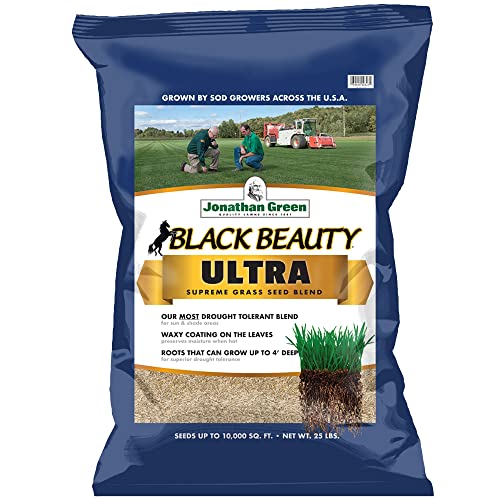
Jonathan Green Black Beauty Ultra
Jonathan Green · Cool Season · $28 (7 lbs) – $105 (25 lbs)
Why this seed for Ohio: Ohio's clay soil demands deep-rooting grass, and BBU delivers with roots up to 4 feet. The waxy leaf coating helps during humid Ohio summers, and the blend handles the sun/shade mix typical of suburban yards.

Outsidepride Midnight Kentucky Bluegrass Seed
Outsidepride · Cool Season · $35 (5 lbs) – $300 (50 lbs)
Why this seed for Ohio: Midnight KBG thrives across Ohio — from Cincinnati to Cleveland. It handles the clay, the humidity, and the winter cold while producing the best-looking lawn on the block.
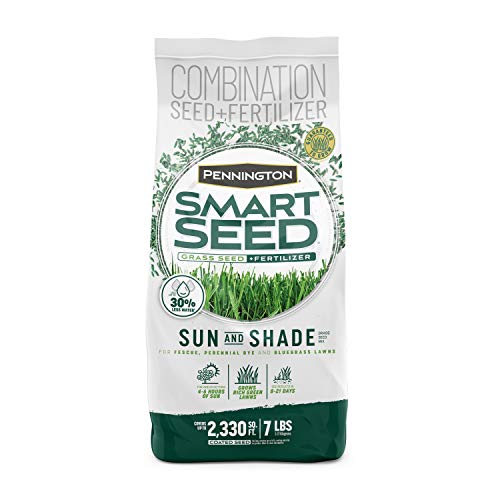
Pennington Smart Seed Sun & Shade
Pennington · Cool Season · $25-40 for 7 lbs
Why this seed for Ohio: The best value option for Ohio homeowners. Pennington's blend handles Ohio's variable conditions — shade from mature trees, clay soil, and the humid summers — at a price that won't break the bank.
Best Grass Seed by Region in Ohio
Northeast Ohio / Cleveland / Akron
Northeast Ohio is defined by Lake Erie's influence — and it's not a gentle one. The lake moderates temperatures slightly (Cleveland's Zone 6a is a tick warmer than inland areas), but the trade-off is relentless cloud cover from October through April, lake-effect snow that buries the eastern suburbs from Mentor to Ashtabula in 70-plus inches annually, and a compressed spring that makes timing seed applications maddeningly difficult. The clay soil here is some of the heaviest in the state, a direct legacy of the glacial lake bed that once covered the Erie plain. Shade is another major factor — mature sugar maples, oaks, and beeches dominate older neighborhoods in Shaker Heights, Lakewood, and Hudson, filtering out the limited sunlight that already struggles through persistent cloud cover. Tall fescue blends with fine fescue for shade tolerance are the backbone of NE Ohio lawns, with Kentucky bluegrass reserved for the sunniest lots.
Top picks for this region:
- ✓Cloud cover means slower green-up in spring — resist the urge to fertilize before the lawn is actively growing, typically not until late April in the snow belt
- ✓Lake-effect snow provides excellent insulation for turf but creates prolonged wet conditions in spring — delay core aeration until the soil is dry enough that a core crumbles rather than smears
- ✓Fine fescue varieties like creeping red fescue are essential in NE Ohio's heavy shade — blend them with tall fescue at 30-40% for shaded areas under mature hardwoods
- ✓Grub damage is epidemic in NE Ohio, especially in Cuyahoga and Summit counties — apply a preventive grub treatment (GrubEx or generic chlorantraniliprole) by mid-June before Japanese beetle larvae hatch
- ✓Snow mold (both gray and pink) is common after heavy lake-effect winters — avoid late-fall nitrogen applications and rake matted snow mold patches in early spring to promote air circulation and recovery
Central Ohio / Columbus
Columbus is Ohio's fastest-growing metro, and the explosion of new-construction subdivisions across Delaware, Licking, and southern Franklin counties has created a lawn care crisis that seasoned homeowners recognize immediately: builder soil. Developers strip the topsoil, compact the remaining clay subsoil with heavy equipment during construction, then roll out a thin layer of sod over what amounts to a parking lot. Within two years, the sod thins, bare spots appear, and the homeowner is left wondering why their lawn looks worse than the model home photos. Central Ohio's clay is silty rather than the pure glacial clay up north, but it still compacts badly and drains poorly. The upside is Columbus's relatively moderate climate — Zone 6a with decent sun exposure and a long fall season that gives you a generous overseeding window from mid-August through early October.
Top picks for this region:
- ✓If you bought a home built after 2010 in Delaware or Powell, your first project should be a comprehensive core aeration — the compacted builder subsoil needs years of repeated aeration and topdressing to develop viable structure
- ✓Columbus gets reliable fall rain in September and October — take advantage of this free irrigation by timing your overseed for the Labor Day weekend window
- ✓Soil testing through the OSU Extension (your county office can provide kits) is essential before any fertilizer program — central Ohio clay is often adequate in phosphorus and potassium but may need sulfur to lower the pH from its typical 7.0-7.5 range
- ✓Crabgrass pressure is intense in central Ohio's sunny suburban lots — apply pre-emergent when forsythia blooms drop (usually mid-March to early April) for reliable timing without a soil thermometer
- ✓Kentucky bluegrass performs well in Columbus's sunnier lots and self-repairs through rhizome spreading, making it ideal for high-traffic family yards — but it needs full sun and consistent irrigation through July and August droughts
Southwest Ohio / Cincinnati / Dayton
Cincinnati sits right on the edge of the transition zone, and that changes the lawn care calculus in meaningful ways. Summer highs regularly push into the mid-90s with suffocating humidity from the Ohio River valley, creating heat and fungal stress that pushes cool-season grasses to their limits. Tall fescue is still the dominant species, but it needs more careful management here than in Columbus or Cleveland — higher mowing heights, deeper watering, and fungicide applications that homeowners further north can skip. The soil across the Cincinnati basin is a mix of glacial clay (north of the city, through Dayton and into the Miami Valley) and limestone-influenced loam in the river valleys, often with a higher pH than the rest of the state. The Dayton area sits on some of the best agricultural land in Ohio, but residential soil in suburban developments is the same compacted clay story. The long growing season — Cincinnati's first fall frost doesn't arrive until mid-to-late October — gives you an extended overseeding window that northern Ohio homeowners envy.
Top picks for this region:
- ✓Brown patch fungus is the number one lawn disease in SW Ohio — it thrives when nighttime temperatures stay above 68 degrees with high humidity, which describes every July and August night in the Ohio River valley
- ✓Mow tall fescue at 3.5 to 4 inches through summer in Cincinnati to shade root zones and reduce heat stress — never remove more than one-third of the blade per mowing
- ✓The transition zone heat means Kentucky bluegrass struggles in full-sun Cincinnati lawns without supplemental irrigation — tall fescue or TTTF blends are the safer choice for low-maintenance properties
- ✓Dayton and the Miami Valley have excellent limestone-derived soil that often runs pH 7.0-7.5 — avoid lime applications unless a soil test specifically shows you need it
- ✓Cincinnati's extended fall season means you can push overseeding into early October if needed — soil temps stay in the germination zone 2-3 weeks longer than Cleveland
Southeast Ohio / Appalachian Foothills
Southeast Ohio is a different world from the rest of the state — and most people from Columbus or Cleveland have no idea. The glaciers never reached here, so instead of flat clay plains you're dealing with the hilly, unglaciated Appalachian Plateau. The soil is derived from sandstone and shale, making it thinner, rockier, and significantly more acidic than anywhere else in Ohio — pH values of 5.0 to 5.5 are common in Athens, Hocking, and Vinton counties. The terrain is steep, the tree canopy is dense (this is Ohio's most heavily forested region), and many properties have a combination of heavy shade, slopes, and poor soil that makes traditional lawn care unrealistic. The towns of Athens, Marietta, Zanesville, and Chillicothe are the population centers, but much of the region is rural with large lots where maintaining a manicured lawn over the entire property isn't practical or expected. The focus here should be on establishing a manageable lawn area near the house and letting the rest naturalize.
Top picks for this region:
- ✓Soil pH in SE Ohio is often a full point or more lower than the rest of the state — apply pelletized lime at 50 lbs per 1,000 sq ft annually until a soil test shows pH above 6.0, which may take 2-3 years of consistent application
- ✓Slopes are a major erosion concern — seed steep areas with a creeping red fescue or fine fescue blend that establishes a dense root network for slope stabilization rather than tall fescue which clumps
- ✓The heavy hardwood canopy (oak-hickory forest) means many SE Ohio lawns get 3-4 hours of direct sun at best — fine fescue blends are the only viable seed option in deep shade
- ✓Well water in SE Ohio often runs acidic and may contain iron that stains concrete — test your water before using it for irrigation and factor its pH into your soil amendment calculations
- ✓Fall leaf volume is enormous in the Appalachian foothills — mulch-mow leaves weekly from October through November to prevent smothering and to add organic matter that these thin soils desperately need
Ohio Lawn Care Calendar
Spring
March - May
- •Apply pre-emergent herbicide when soil temperatures reach 55 degrees at 4-inch depth for three consecutive days — in Ohio, this typically coincides with forsythia bloom, usually mid-March in Cincinnati and early April in Cleveland
- •Resist the urge to fertilize early — wait until the lawn has been actively growing for 2-3 weeks and you've mowed at least twice, typically late April in central Ohio and early May in NE Ohio
- •Begin mowing once grass reaches 4 inches — set your mower to 3 to 3.5 inches for tall fescue and 2.5 to 3 inches for Kentucky bluegrass, and never remove more than one-third of the blade at a time
- •Spot-seed bare areas in late March through April if needed, but understand that spring seeding competes with pre-emergent timing — you cannot use most pre-emergents and seed at the same time, so fall remains the preferred seeding window
- •Core aerate in April if you skipped fall aeration — wait until the soil is dry enough that cores crumble when you handle them rather than smearing like Play-Doh, which in Ohio's wet springs may not happen until mid-to-late April
- •Scout for red thread fungus in May, especially on under-fertilized lawns — it appears as pink or reddish patches and is a sign your lawn needs nitrogen, not fungicide
Summer
June - August
- •Raise mowing height to 3.5 to 4 inches for tall fescue and 3 inches for Kentucky bluegrass — taller grass shades the soil, reduces water loss, and is your best defense against summer crabgrass pressure
- •Water deeply and infrequently — deliver 1 to 1.5 inches per week in one or two early-morning sessions; Ohio's humid summers make evening watering risky for fungal development
- •Monitor for brown patch in tall fescue lawns during humid periods when night temps stay above 68 degrees — avoid nitrogen fertilizer in summer, which fuels the fungus, and apply propiconazole preventively if you have a history of outbreaks
- •Apply preventive grub control (chlorantraniliprole or imidacloprid) by mid-June before Japanese beetle and masked chafer grubs hatch — Ohio is in the heart of grub country and the damage shows up as brown patches in August that peel back like carpet
- •Dollar spot appears as silver-dollar-sized tan patches on Kentucky bluegrass lawns in June and July — it signals low nitrogen; a light application of 0.25 lb N per 1,000 sq ft often resolves it without fungicide
- •If drought stress turns your lawn dormant in August, let it rest — do not fertilize or apply herbicides to dormant turf, and water just enough (0.5 inches every 2 weeks) to keep crowns alive
Fall
September - November
- •This is THE season for Ohio lawns — core aerate between August 15 and September 15, then overseed immediately while soil temps are between 50-65 degrees and fall rains are starting
- •Overseed with a quality tall fescue or fescue-bluegrass blend at 6-8 lbs per 1,000 sq ft for overseeding or 8-10 lbs for renovation — keep seed moist with light daily watering for 14-21 days until germination is complete
- •Apply a starter fertilizer (high phosphorus, like 18-24-12) at seeding to promote root development — this is the one time of year a high-phosphorus fertilizer is appropriate
- •Follow up with a balanced fertilizer in mid-October (1 lb N per 1,000 sq ft) once new seedlings have been mowed twice — this is the most important fertilizer application of the year for Ohio cool-season lawns
- •Apply a final winterizer fertilizer in mid-to-late November after the grass stops top growth but roots are still active — this nitrogen is stored in the roots and fuels the first flush of green-up in spring
- •Mulch-mow fallen leaves weekly rather than raking — a mulching mower breaks them into dime-sized pieces that decompose over winter and add organic matter to your clay soil; only remove them if the layer is thick enough to smother the grass
Winter
December - February
- •Stay off frozen or frost-covered turf — walking on frozen grass blades crushes the cell walls and leaves brown footprint-shaped damage that persists into spring
- •Plan your fall seeding strategy now — order seed by February so you have exactly what you want; popular varieties like Black Beauty Ultra and Midnight Kentucky Bluegrass sell out by late summer
- •Submit a soil test to your county OSU Extension office (results take 2-3 weeks) so you can build an accurate fertilizer plan before the growing season starts
- •Service your mower, sharpen or replace blades, and change the oil — a clean cut from sharp blades reduces disease entry points, which matters in Ohio's humid growing season
- •Review your grub control timing — if you had grub damage last fall, mark your calendar now for a preventive application in June; reactive treatments in August are less effective and more expensive
- •If ice or heavy snow has matted down areas of the lawn, rake lightly in late February to stand grass blades back up and prevent gray snow mold from establishing
Ohio Lawn Tips You Won't Find on the Seed Bag
Core Aeration Timing on Ohio Clay Is Everything
Ohio's glacial clay compacts into an almost impermeable layer that chokes roots, prevents water infiltration, and creates a perfect environment for shallow-rooted weeds. Core aeration is not optional here — it's as fundamental as mowing. The timing question is simple: fall is king. Aerate between August 15 and September 15, when soil moisture is moderate, the clay isn't too hard or too soft, and you can overseed directly into the aeration holes for perfect seed-to-soil contact. Spring aeration is a backup option (late April once the soil dries out), but it conflicts with pre-emergent herbicide timing. If you aerate in spring, you'll punch holes through your pre-emergent barrier and invite crabgrass into every core hole. On heavy Ohio clay, a double pass with a plug aerator — once in each direction — is worth the extra effort. You should be pulling 3-inch cores and leaving them on the surface to break down.
Brown Patch and Dollar Spot: Ohio's Summer Fungal Duo
Ohio's humid continental summers create ideal conditions for the two most common lawn diseases in the state: brown patch on tall fescue and dollar spot on Kentucky bluegrass. Brown patch shows up as large irregular circles (sometimes with a smoke ring border) in July and August when nighttime temps stay above 68 degrees and humidity is high. The number one trigger is excess nitrogen in summer — never apply nitrogen to a tall fescue lawn between June 15 and September 1 in Ohio. Dollar spot hits bluegrass lawns as small, silver-dollar-sized bleached patches, and it's actually a signal that your lawn is nitrogen-deficient. So the two diseases have opposite causes, which is why knowing your grass type matters for your fertilizer schedule. Preventive fungicide (propiconazole or azoxystrobin) makes sense if you've had recurring brown patch, applied in late June before symptoms appear. For dollar spot, a light nitrogen application is usually all you need.
Understanding Ohio's Grub Lifecycle Saves You Money and Turf
Japanese beetles and masked chafers are the primary grub species in Ohio, and the damage they cause to lawns is staggering — entire sections of turf that peel back like loose carpet because grubs have severed every root below the surface. Understanding the lifecycle is key to timing your treatment. Adult beetles emerge in late June through July, feed on landscape plants, and lay eggs in your lawn. Those eggs hatch in late July through August, and the tiny larvae begin feeding on grass roots immediately. By September, they're large enough to cause visible damage. By October, they migrate deeper into the soil to overwinter. The critical treatment window is preventive: apply chlorantraniliprole (GrubEx) in late May through mid-June before eggs hatch. If you miss that window and find active grubs in August or September, a curative product containing trichlorfon or carbaryl can help, but it's less effective against larger grubs. Check for grubs by cutting a one-foot square of turf with a knife and peeling it back — more than five grubs per square foot means treatment is warranted.
NE Ohio's Cloud Cover Problem and What It Means for Your Lawn
Cleveland averages about 200 cloudy days per year, ranking among the cloudiest cities in the nation. For lawns, this persistent overcast from October through April has real consequences. Grass stays dormant longer in spring because cloud cover keeps soil temperatures cool. Kentucky bluegrass, which demands full sun, thins out noticeably in shaded NE Ohio lots that might sustain it in sunnier Columbus or Cincinnati. Photosynthesis rates drop under low-light conditions, meaning the grass produces less food for root development and recovery from stress. The practical response is threefold: choose shade-tolerant grass varieties (fine fescue blends or tall fescue with improved shade tolerance like Black Beauty Ultra), raise your mowing height to maximize the leaf surface area available for photosynthesis, and go easy on nitrogen — a shaded, low-light lawn that's pushed with heavy nitrogen develops thin, weak blades that are susceptible to disease. In NE Ohio, a realistic fertilizer program is three applications per year (May, September, November) rather than the four or five that Columbus or Cincinnati lawns can handle.
Use OSU Extension — It's Free and Ohio-Specific
Ohio homeowners have one of the best free lawn care resources in the country and most of them don't know it exists. The Ohio State University Extension operates offices in all 88 Ohio counties, and their turfgrass recommendations are based on decades of local research, not generic national advice. They offer soil testing for about $15 that includes specific lime and fertilizer recommendations calibrated to Ohio soil conditions. Their fact sheets on lawn establishment, weed identification, disease management, and insect control are available free online at ohioline.osu.edu. The Franklin County Extension office in Columbus and the Cuyahoga County office in Cleveland are particularly active with homeowner lawn care programming. Before you spend $200 on a TruGreen program or follow advice from a YouTube channel based in Georgia, check what OSU Extension recommends for your specific county. Their lawn care calendar, turf species recommendations, and pest management thresholds are developed from trials conducted on Ohio clay, in Ohio's climate, with Ohio's weed and disease pressures.
The New Construction Clay Disaster — And How to Fix It
If you bought a home in one of Columbus's booming suburbs — Powell, Sunbury, New Albany, Pataskala, or anywhere in Delaware County — built after 2005, there's a strong chance your lawn is sitting on a nightmare. During construction, builders scrape off the native topsoil (which had organic matter, structure, and biological activity), use the subsoil to grade the lot, compact it with heavy equipment until it's nearly as dense as concrete, then lay sod on top of two inches of topsoil spread over what is essentially a sealed clay surface. The roots hit a compaction layer and stop. Water sits on the surface after every rain. The sod thins within two years. Fixing this takes a multi-year commitment: core aerate aggressively twice a year (spring and fall), topdress with half an inch of quality compost after each aeration, and overseed every fall with deep-rooted tall fescue varieties that can gradually punch through compacted layers. Some homeowners in extreme cases rent a soil ripper or deep-tine aerator to fracture the compaction pan at 6-8 inches. It's not a quick fix — budget three to five years of consistent work — but the alternative is fighting declining turf forever.
What Ohio Lawn Pros Actually Plant
Tall Fescue
Most PopularTall fescue is the workhorse of Ohio lawns and the species you'll find on the majority of residential properties from Cincinnati to Cleveland. It handles Ohio's heavy clay better than any other cool-season grass because its deep bunch-type root system penetrates compacted soil more effectively than the shallow rhizomes of Kentucky bluegrass. It tolerates moderate shade (4-5 hours of sun is enough), stays green through Ohio's hot, humid summers when bluegrass goes dormant, and establishes quickly from seed in the fall window. Turf-type tall fescue (TTTF) varieties like those in the Jonathan Green Black Beauty Ultra blend have come a long way from the coarse, clumpy K-31 fescue your grandparents had — modern cultivars are fine-bladed, dark green, and dense enough to rival bluegrass in appearance. The one weakness: tall fescue doesn't spread via rhizomes or stolons, so bare spots don't fill in on their own. Annual fall overseeding is how Ohio fescue lawns stay thick.
Kentucky Bluegrass
Popular (Often Blended)Kentucky bluegrass is the aspirational grass in Ohio — that dark blue-green, impossibly dense carpet that spreads via rhizomes and self-repairs divots and wear damage. It's the dominant species on well-maintained lawns in sunny Columbus and Cincinnati suburbs, on sports fields, and on any property where the owner is willing to invest in irrigation and fungicide. Midnight Kentucky Bluegrass is a standout variety for its exceptionally dark color and improved disease resistance. The challenges in Ohio are real: KBG needs 6-plus hours of full sun (ruling it out for many shaded NE Ohio lots), demands consistent moisture through summer droughts, and is more susceptible to summer fungal diseases than tall fescue. The most common and effective approach in Ohio is blending 10-20% Kentucky bluegrass with tall fescue — you get the self-repair and density benefits of bluegrass with the heat tolerance and clay adaptability of fescue.
Fine Fescue Blend
Essential for ShadeFine fescues — creeping red fescue, chewings fescue, hard fescue, and sheep fescue — are the go-to solution for Ohio's shadiest lawns. In NE Ohio especially, where heavy tree canopy combines with persistent cloud cover to create genuinely low-light conditions, fine fescues are often the only grasses that will maintain a viable stand. Creeping red fescue is the most commonly used, spreading via short rhizomes to fill gaps and stabilize slopes. These grasses are also extremely low-input: they need less fertilizer, less water, and less mowing than tall fescue or Kentucky bluegrass. The trade-off is that they don't handle heavy foot traffic well and thin out in full sun during hot summers. In Ohio, fine fescues work best as part of a shade-specific blend or mixed at 20-30% into a tall fescue overseed for properties with mixed sun and shade conditions.
Perennial Ryegrass
Common in BlendsPerennial ryegrass isn't typically used as a standalone lawn grass in Ohio, but it shows up in nearly every premium seed blend you'll buy. It germinates in 5-7 days — about half the time of tall fescue and a third the time of Kentucky bluegrass — which gives you quick visual results after fall overseeding and provides a nurse crop that stabilizes the soil while slower species establish. It has excellent wear tolerance, which is why it's the dominant grass on Ohio's athletic fields. The downside is that perennial ryegrass has poor heat and drought tolerance compared to tall fescue, and in harsh NE Ohio winters, it can suffer from ice damage. Look for improved varieties in your blends rather than common ryegrass, and keep the ryegrass component under 20% of your mix to avoid a lawn that thins out in summer.
Kentucky Bluegrass / Tall Fescue Blend
Enthusiast FavoriteThe Kentucky bluegrass and tall fescue blend has become the gold standard among serious Ohio lawn enthusiasts, and for good reason — it combines the strengths of both species while compensating for their individual weaknesses. The tall fescue component (70-80% of the mix) provides deep roots for clay penetration, shade tolerance, and summer heat resilience. The bluegrass component (20-30%) fills in gaps through rhizome spreading, creating the dense, uniform appearance that tall fescue alone can't achieve. This blend dominates the premium residential market across Columbus, the Dayton suburbs, and Cincinnati's east side. The key to making it work is overseeding annually in fall, because the tall fescue and bluegrass have different growth habits and the ratio shifts over time without management. Many Ohio homeowners use Jonathan Green Black Beauty Ultra, which is specifically formulated as a fescue-bluegrass blend suited to the mid-Atlantic and upper Midwest climate.
Ohio Lawn Seeding Tips
Getting the best results from your grass seed in Ohio comes down to timing, soil prep, and choosing the right variety for your specific conditions. Here are our top tips:
- Test your soil first. A $15 soil test from your Ohio extension office tells you exact pH and nutrient levels. Most cool-season grasses prefer pH 6.0-7.0.
- Prep the seedbed properly. Rake or aerate to ensure good seed-to-soil contact. This single step improves germination rates more than any seed coating or starter fertilizer.
- Use a starter fertilizer. Apply a phosphorus-rich starter fertilizer at seeding time to promote root development. We recommend Scotts Starter Fertilizer or The Andersons Starter.
- Water correctly. Keep the seedbed consistently moist (not soaked) for the first 2-4 weeks. Light watering 2-3 times per day is better than one heavy soaking.
- Be patient. Kentucky Bluegrass takes 14-28 days to germinate. Tall Fescue is faster at 7-14 days. Don't panic if you don't see results immediately.
- Consider pre-germinating KBG. If you're planting Kentucky Bluegrass, you can cut germination time from 30 days to under a week using the bucket-and-bubble pre-germination method. This is especially valuable for late-season seeding in Ohio.
Frequently Asked Questions
When is the best time to plant grass seed in Ohio?
Late August through mid-September (fall) is ideal; mid-April through early May as a spring alternative
What type of grass grows best in Ohio?
Ohio is best suited for cool-season grasses like Kentucky Bluegrass, Tall Fescue, and Perennial Ryegrass. These grasses thrive in spring and fall, stay green longer into winter, and handle cold temperatures well.
What are the biggest lawn care challenges in Ohio?
The main challenges for Ohio lawns include clay soil statewide, humid summers with fungal disease pressure, cold cloudy winters, heavy shade from mature trees. Choosing the right grass variety that is adapted to these specific conditions is the single most important decision you can make for your lawn.
Can I grow Kentucky Bluegrass in Ohio?
Absolutely — Kentucky Bluegrass is one of the best choices for Ohio. It thrives in the cool-season climate, produces a beautiful dense lawn, and self-repairs through rhizome spread. Midnight KBG is our top pick for the darkest, most premium-looking lawn.
How much does it cost to seed a lawn in Ohio?
For a typical 5,000 sq ft lawn, expect to spend $150-$400 on seed alone depending on the variety. Premium seeds like Midnight Kentucky Bluegrass or Zenith Zoysia cost more per pound but deliver better results. Add $50-$100 for starter fertilizer and $20-$50 for soil amendments. The seed is the smallest part of your total investment — proper soil prep and consistent watering matter more than saving $50 on cheaper seed.
More Lawn Care Resources
Not in Ohio?
We have state-specific grass seed guides for all 50 states.