FL State Guide · Updated March 2026
Best Grass Seed for Florida
Top grass seeds for Florida lawns that thrive in sandy soil, extreme humidity, and tropical heat. Our expert picks for Miami, Tampa, Orlando, and Jacksonville.
Disclosure: This article contains affiliate links. If you buy through our links, we may earn a commission at no extra cost to you. All opinions are our own. Learn more.
Let's get the uncomfortable truth out of the way: if you're a Florida homeowner, your neighbor's lawn is almost certainly St. Augustine sod. So is the lawn two doors down, and the one across the street, and every lawn in the subdivision behind yours. St. Augustine — specifically Floratam, Palmetto, and CitraBlue cultivars — owns roughly 80% of Florida's residential turf. It arrives on pallets, gets rolled out by landscaping crews, and within six weeks your yard looks like a golf course. Seeding a Florida lawn is the underdog play, and honestly, most of the time sod is the right call. But there are real scenarios where seed makes sense: you're filling in bare patches where sod would be overkill, you're establishing a Bahia or Bermuda lawn on a budget for a larger rural lot, or you're in North Florida where the climate opens up more cool-season-friendly options. Seed is also the only practical option for Bahia and Centipede — two grasses that take to Florida's sandy soil better than almost anything else and cost a fraction of a St. Augustine sod job.
Florida's single biggest turf challenge isn't heat, drought, or even hurricanes — it's nematodes. Specifically, sting nematodes and root-knot nematodes that thrive in the state's deep, well-drained sandy soils. Central Florida, from roughly Ocala down through Lakeland and into the I-4 corridor, sits on some of the most nematode-infested soil in the entire Southeast. These microscopic worms attack grass roots, causing thinning, yellowing, and eventually dead patches that no amount of fertilizer will fix. Nematodes are the reason so many Orlando and Tampa homeowners watch their St. Augustine lawns slowly decline despite doing everything right. Your grass choice in Florida is, in large part, a nematode management decision — Bahia grass has natural nematode resistance, which is a huge reason it remains so popular on properties outside of HOA-controlled subdivisions.
Florida isn't one lawn climate — it's at least three. North Florida and the Panhandle (Jacksonville, Tallahassee, Pensacola) sit in USDA Zone 9a and experience genuine winters with occasional hard freezes. You can grow Bermuda, Zoysia, Bahia, and even some transition-zone fescue blends up here. Central Florida (Orlando, Tampa, Lakeland) is solidly Zone 9b — mild winters, brutal summers, and that devastating nematode pressure in the sandy ridge soils. South Florida (Miami, Fort Lauderdale, Palm Beach, Naples) is Zone 10a/10b and functionally tropical: no frost, year-round growth, salt air everywhere, and alkaline soils from the underlying limestone. A grass that thrives in Pensacola may struggle in Fort Myers, and what works in Gainesville is irrelevant in the Keys. You have to think regionally.
If you live in a master-planned community — The Villages, Lakewood Ranch, Nocatee, Wellen Park, Ave Maria — your grass choice may not be yours to make. Most Florida HOAs mandate St. Augustine sod (often specifying Floratam or CitraBlue by name) and require professional installation. Some communities in North Florida permit Bermuda or Zoysia sod. Very few allow seed-established lawns, and if they do, there are typically green-up timelines you must meet. Before you buy a single bag of seed, pull up your HOA covenants and check the landscaping section. The last thing you want is a compliance letter six weeks into germination because your lawn doesn't match the rest of the street.
The other thing that catches transplants off guard is that Florida has no off-season. Your lawn grows twelve months a year in South and Central Florida, and ten months a year even in the Panhandle. That means year-round mowing, year-round irrigation (especially during the dry season from November through May), and year-round pest and disease pressure. Fungal issues like large patch, gray leaf spot, and take-all root rot cycle through the calendar. Chinch bugs hammer St. Augustine from April through October. Mole crickets tunnel through Bahia lawns in spring. There is no winter break where you put the mower away and forget about the yard. Florida lawn care is a commitment, and understanding that upfront will save you from the frustration of watching a lawn you poured money into slowly fall apart because you took a month off.
Quick Picks: Our Top 3 for Florida
Understanding Florida's Lawn Climate
Tropical to subtropical with hot, humid summers and mild winters. Summer temperatures hover in the low 90s with oppressive humidity and daily afternoon thunderstorms from June through September. Central and South Florida rarely see frost, while the Panhandle occasionally gets brief freezes. The rainy season delivers 60% of annual rainfall between June and October, often in intense downpours that can waterlog turf.
Key Challenges
Best Planting Time for Florida
Late March through June, when consistent warmth and summer rains support rapid establishment
Our Top 3 Picks for Florida
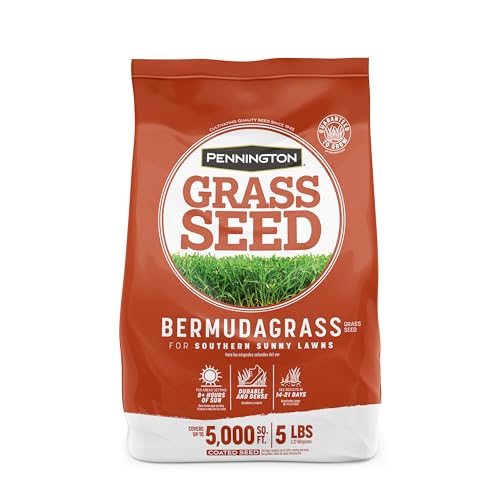
Pennington Smart Seed Bermudagrass
Pennington · Warm Season · $20-35 for 8.75 lbs
Why this seed for Florida: Bermuda handles Florida's sandy soil, intense sun, and year-round growing season. It's the workhorse grass for Central and South Florida lawns that need to take heavy use.
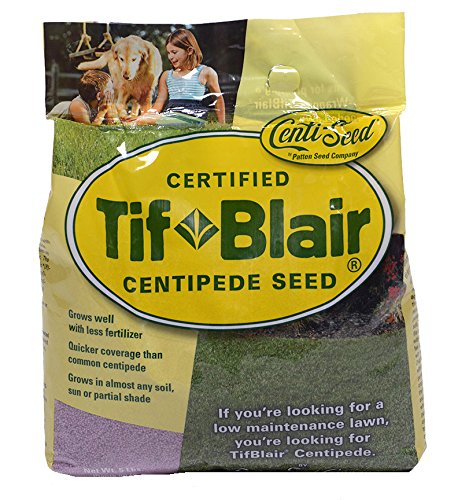
TifBlair Centipede Grass Seed
Patten Seed Company · Warm Season · $20 (1 lb) – $238 (5 lbs)
Why this seed for Florida: Centipede is the ultimate lazy lawn grass for Florida — it wants LESS fertilizer, LESS mowing, and LESS attention than bermuda. Perfect for the homeowner who wants green without the work.
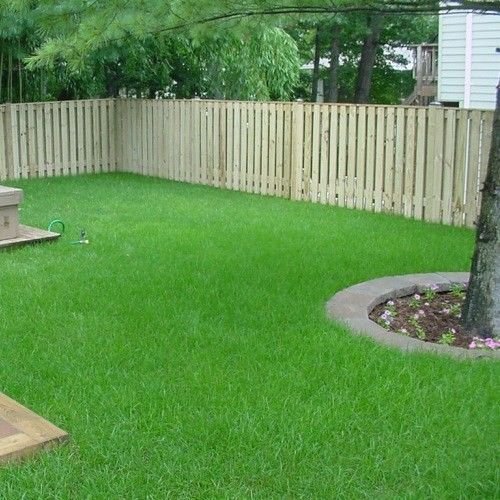
Argentine Bahia Grass Seed
SeedRanch · Warm Season · $30 (2 lbs) – $90 (10 lbs)
Why this seed for Florida: Bahia was practically designed for Florida. It thrives in sandy, acidic soil, shrugs off drought, and handles the humidity and pest pressure that kills other grasses.
Best Grass Seed by Region in Florida
North Florida & Panhandle
From Jacksonville across to Pensacola, North Florida is the state's transition zone. Hard freezes happen — Tallahassee averages 30+ nights below 32 degrees annually, and Pensacola saw single digits in the 2022 Christmas freeze. The clay-sand mix soils here actually hold nutrients better than the pure sand further south, giving you more grass options. This is the only part of Florida where you can realistically consider Bermuda seed for a full lawn, and Bahia thrives in the acidic soils of the pine flatwoods. Gainesville and Ocala sit right on the dividing line where nematode pressure starts ramping up heading south. Zoysia sod is increasingly popular in Jacksonville's upscale neighborhoods like Ponte Vedra and San Marco.
Top picks for this region:
- ✓Bermuda seed goes down in late April through June when soil temps are consistently above 65 degrees — Pensacola warms up about 2-3 weeks later than Jacksonville
- ✓Bahia is the default choice for larger rural lots in Baker, Columbia, and Suwannee counties — it handles the sandy-clay soils and requires almost no supplemental irrigation once established
- ✓If you're north of Gainesville, you can overseed Bermuda with annual ryegrass in October for winter color — this is common on Panhandle lawns
- ✓Centipede works well in North Florida's acidic soils but goes dormant and brown in winter — expect 3-4 months of tan lawn if you're in Tallahassee or Pensacola
Central Florida
The I-4 corridor from Tampa through Lakeland to Orlando and up through Ocala is Florida's lawn care ground zero. Summer heat and humidity are relentless, with 90+ degree days from May through October. The deep, sugar-sand soils of the Central Ridge (Polk, Lake, and Orange counties especially) are infamous for nematode infestations that can destroy even established St. Augustine in a single season. Water restrictions are common — most Central Florida counties limit irrigation to two days per week during normal conditions and one day during drought. If you're seeding here, Bahia is your most reliable option: it handles the sand, resists nematodes, and survives on minimal irrigation. Bermuda seed can work for sunny, high-traffic areas, but expect to irrigate heavily during establishment.
Top picks for this region:
- ✓Nematode testing through your county UF/IFAS Extension office costs about $25 and tells you exactly what you're dealing with before you invest in seed or sod
- ✓The Polk County sandy ridge soils drain so fast that newly seeded lawns need twice-daily watering for the first 3 weeks — set your irrigation accordingly
- ✓Argentine Bahia is the go-to seed for Central Florida acreage and non-HOA properties — it establishes in 21-28 days and barely needs supplemental water after month two
- ✓Orlando's reclaimed water (purple pipe) systems are high in phosphorus — if you're on reclaimed, skip phosphorus in your fertilizer program or you'll fuel fungal problems
South Florida
Below Lake Okeechobee, you're in the tropics. Miami-Dade, Broward, and Palm Beach counties sit in Zone 10a/10b with essentially zero frost risk. The soil profile changes dramatically here — instead of deep sand, you hit limestone and shell rock within inches of the surface in many areas, creating alkaline conditions (pH 7.5-8.5) that lock out iron and manganese. Coastal properties from Jupiter to Key Biscayne deal with salt spray, saltwater intrusion into irrigation wells, and corrosive air that affects everything. Seeding is uncommon in South Florida; most lawns are St. Augustine or Zoysia sod. However, Bermuda seed can work for sunny residential lawns, and Bahia handles the western communities (Weston, Miramar, western Boca) where soils are muck-based from former Everglades wetlands.
Top picks for this region:
- ✓South Florida's alkaline limestone soils cause iron chlorosis (yellowing) in almost every grass type — plan on quarterly chelated iron applications year-round
- ✓If you're on a coastal barrier island or east of US-1, salt tolerance is non-negotiable — Bermuda and Bahia handle salt far better than St. Augustine or Centipede
- ✓Western Broward and Palm Beach (the Everglades fringe communities) sit on muck soil that holds too much water — Bahia is one of the few grasses that tolerates both the wet season flooding and dry season drought
- ✓Miami-Dade's water restrictions are strict — irrigation only before 10 AM or after 4 PM, two days per week — so choose drought-tolerant grasses that can survive on limited watering
Gulf Coast
Florida's Gulf Coast from Crystal River down through Tampa Bay, Sarasota, Fort Myers, and Naples presents its own microclimate. The Gulf moderates temperatures slightly compared to inland areas — Fort Myers is typically 2-3 degrees cooler than Arcadia just 30 miles east. But the salt exposure is significant, especially on barrier islands like Siesta Key, Sanibel, Anna Maria, and Marco Island. Soils range from sandy coastal fill to shell-rock hardpan in Cape Coral and parts of Lee County. Hurricane storm surge brings saltwater intrusion that can kill entire lawns overnight — the 2022 Hurricane Ian surge destroyed thousands of lawns in Fort Myers Beach and Cape Coral. Post-storm lawn recovery is a real concern, and seed is often the most practical way to re-establish turf across large damaged areas.
Top picks for this region:
- ✓After hurricane storm surge, flush your soil with fresh water for 2-3 weeks before attempting to seed — salt levels need to drop below 2 dS/m for grass to germinate
- ✓Cape Coral's shell-rock soils make traditional lawn establishment difficult — core aerate heavily and topdress with quality topsoil before seeding Bahia or Bermuda
- ✓Sarasota and Manatee counties have some of the strictest fertilizer blackout periods in the state — no nitrogen or phosphorus from June 1 through September 30
- ✓Barrier island properties should consider Bermuda seed for its salt tolerance — it recovers from salt exposure faster than any other common Florida grass
Florida Lawn Care Calendar
Dry Season / Winter
November - February
- •Reduce mowing frequency in North Florida as Bermuda and Bahia enter dormancy — Central and South Florida lawns still grow, just slower
- •This is prime seeding season for winter ryegrass overseeding in North Florida and the Panhandle
- •Apply a winterizer fertilizer (high potassium, low nitrogen) by mid-November to harden turf before any cold snaps
- •Monitor irrigation carefully — Florida's driest months are November through April, and newly established lawns can desiccate quickly in the low humidity
- •Treat for large patch fungus (Rhizoctonia) which peaks in fall and spring when soil temps are between 60-75 degrees
- •Sharpen mower blades — dull cuts invite disease during the cooler, damp mornings typical of Florida winters
Spring Transition
March - May
- •March through May is prime warm-season seeding time — soil temperatures hit 65+ degrees by mid-March in South Florida, early April in Central, and late April in the Panhandle
- •Apply pre-emergent herbicide for crabgrass by early March in South Florida, mid-March in Central — BUT skip pre-emergent entirely if you plan to seed within 60 days
- •Begin your summer fertilizer program in April: 1 lb of nitrogen per 1,000 sq ft using a slow-release granular
- •Scout for mole cricket damage starting in March — look for soft, spongy soil and small mounds of displaced sand in Bahia and Bermuda lawns
- •Check irrigation coverage and repair heads damaged over winter — you'll need full coverage by May when the heat arrives
- •Dethatch St. Augustine and Zoysia lawns in April if thatch exceeds 3/4 inch — this also opens the canopy for any overseeding
Wet Season / Summer
June - August
- •Daily afternoon thunderstorms provide 1-2 inches of rain per week — back off irrigation to avoid overwatering and fungal explosions
- •Peak chinch bug season runs June through September — inspect St. Augustine weekly for yellowing patches that spread outward
- •Raise mowing height by 1/2 inch to reduce heat stress — Bahia at 3.5-4 inches, Bermuda at 1.5-2 inches, St. Augustine at 3.5-4 inches
- •Apply chelated iron (ferrous sulfate or iron EDDHA) for yellowing lawns — Florida's sandy and alkaline soils leach iron fast during heavy summer rains
- •Monitor for gray leaf spot in St. Augustine — it thrives in the 85+ degree days with 90% humidity typical of Florida summers
- •This is NOT the time to seed — heavy rains wash away seed and seedlings are vulnerable to summer fungal diseases
Fall Transition
September - October
- •Late September through October is the second seeding window for warm-season grasses — soil is warm but rain intensity drops off, giving seed a chance to establish before winter
- •Apply your final nitrogen fertilizer by mid-October in North Florida, early November in Central — many counties have fertilizer blackout periods so check local ordinances
- •Aerate compacted areas in September while soil is still warm and moist — this is especially important in high-traffic Bermuda lawns
- •Overseed thin Bahia lawns in early October when nightly temperatures start dropping below 80 degrees
- •Begin scouting for large patch fungus which reactivates as soil temps cool below 75 degrees — preventive fungicide in October saves headaches in November
- •Reduce mowing frequency as growth slows in North Florida — most warm-season grasses are winding down by late October north of Ocala
Florida Lawn Tips You Won't Find on the Seed Bag
The Nematode Reality Check
If you're in Central Florida — particularly Polk, Lake, Orange, Highlands, or Osceola counties — get a nematode assay before investing in any lawn. Your county UF/IFAS Extension office will test soil samples for about $25. Sting nematodes are the worst offenders in Florida turf, and they're most destructive in deep sandy soils. If your counts come back high, Argentine Bahia is your best seed option because it has natural nematode tolerance. Bermuda is moderately susceptible. St. Augustine (especially Floratam) is extremely vulnerable, which is why so many Central Florida St. Augustine lawns thin out and die within 3-5 years despite perfect care.
Making Sand Hold Nutrients
Florida's native soil is essentially beach sand — it holds almost no water or nutrients. Every rain event or irrigation cycle flushes fertilizer straight through the root zone and into the aquifer. The fix isn't complicated but it requires consistency: topdress with composted organic matter (1/4 to 1/2 inch) every spring, use only slow-release nitrogen sources (polymer-coated urea, sulfur-coated urea, or milorganite), and apply fertilizer in smaller doses more frequently (every 6-8 weeks at half-rate rather than large quarterly applications). Over 2-3 years of topdressing, you'll build a thin organic layer that dramatically improves water and nutrient retention.
Chinch Bug Battle Plan
Southern chinch bugs are the number one insect pest of St. Augustine grass in Florida, and they're responsible for more lawn replacements than any other single factor. They feed by sucking plant juices from the stems, causing irregular yellow-brown patches that expand outward — often misdiagnosed as drought stress or fungal disease. The key difference: chinch bug damage doesn't respond to watering. Do the float test: cut both ends off a coffee can, press it into the soil at the edge of a damaged area, fill with water, and watch for tiny black-and-white bugs floating to the surface within 5 minutes. If you're seeding Bermuda or Bahia instead of installing St. Augustine, you largely sidestep this problem — chinch bugs strongly prefer St. Augustine.
Salt Tolerance for Coastal Properties
If your property is east of the Intracoastal Waterway or on a Gulf barrier island, salt exposure isn't occasional — it's constant. Airborne salt spray from onshore winds can damage sensitive grasses within 500 feet of the waterline. For seed-established lawns on coastal properties, Bermuda grass is your strongest option — it tolerates moderate salinity and recovers quickly from salt burn. Argentine Bahia also handles mild salt exposure. Avoid Centipede entirely on coastal lots, as it has almost no salt tolerance. After any coastal storm or king tide event that pushes saltwater onto your property, flush the lawn with fresh water as soon as possible — don't wait for the next rain.
Iron Supplements: The Florida Lawn Secret Weapon
Yellowing grass is the single most common lawn complaint in Florida, and in most cases the problem isn't nitrogen deficiency — it's iron chlorosis. Florida's sandy soils naturally lack iron, and in South Florida's alkaline limestone soils, what iron exists gets chemically locked up and unavailable to roots. The fix is supplemental iron, not more nitrogen (which often makes the problem worse by pushing growth the roots can't support). For sandy acidic soils in North and Central Florida, ferrous sulfate at 2 oz per 1,000 sq ft works well. For alkaline soils in South Florida, you need chelated iron (EDDHA formulation) which stays plant-available even at high pH. Apply iron every 6-8 weeks during the growing season. Your lawn will be noticeably darker green within 48 hours of application.
Mole Cricket Management in Bahia and Bermuda
Mole crickets are the bane of Bahia and Bermuda lawns across Florida. These burrowing insects tunnel through the top 2-3 inches of soil, severing grass roots and leaving spongy, torn-up turf. You'll notice the damage as soft spots in the lawn, small mounds of granular soil, and grass that pulls up easily because the roots have been chewed through. The most effective treatment timing is late June through July when the nymphs are small and close to the surface — adult mole crickets in spring are much harder to control. A soapy water flush (2 tablespoons dish soap per gallon over 4 square feet) will drive nymphs to the surface so you can confirm their presence before treating. Beneficial nematodes (Steinernema scapterisci) are an effective biological control and are available through Florida UF/IFAS — they're especially popular with homeowners who prefer to minimize chemical applications.
What Florida Lawn Pros Actually Plant
St. Augustine (Sod)
Most PopularThe undisputed king of Florida lawns. St. Augustine — specifically cultivars like Floratam, Palmetto, CitraBlue, and ProVista — covers the vast majority of residential properties statewide. It's installed as sod or plugs (it doesn't produce viable seed commercially), so it's not a seeding option. But it's the benchmark every other grass is measured against in Florida: thick, dark green, shade-tolerant, and aggressive enough to choke out most weeds once established. The downsides are significant though — chinch bug susceptibility, nematode vulnerability in Central Florida, and high water and fertilizer demands. If your HOA requires St. Augustine sod, you don't have a choice. If you do have a choice, it's worth considering the alternatives below.
Argentine Bahia
Very PopularBahia is the workhorse grass of rural and non-HOA Florida. It was originally introduced as a pasture grass, and you'll still see it on cattle ranches from Okeechobee to Ocala. But Argentine Bahia — with its darker green color and denser growth compared to common Bahia — has become the go-to seed choice for budget-conscious Florida homeowners who want a functional lawn without the maintenance demands of St. Augustine. It handles nematodes, laughs at drought, grows in pure sand, and costs a fraction of sod installation. The tradeoff: it's coarser textured, sends up tall Y-shaped seed heads every few weeks in summer, and goes dormant (straw-brown) in winter from roughly Ocala northward. But for large lots, road frontage, or properties without irrigation, nothing beats it.
Centipede Grass
PopularKnown as 'the lazy man's grass' for good reason. Centipede requires less fertilizer than any other Florida lawn grass — in fact, over-fertilizing is the fastest way to kill it. It thrives in acidic, low-fertility sandy soils, which makes it a natural fit for much of North and Central Florida. TifBlair Centipede is the improved, cold-tolerant seed variety that has pushed Centipede's range further north into the Panhandle. It establishes slowly from seed (6-8 weeks to fill in), has a fine, apple-green appearance, and requires minimal mowing. The catch: it has zero salt tolerance (no coastal properties), poor shade tolerance, and suffers from 'centipede decline' if given too much nitrogen or irrigated with alkaline water. It's ideal for the homeowner who wants to mow once a week, fertilize twice a year, and otherwise leave the lawn alone.
Bermuda Grass
PopularBermuda is the sports turf and high-traffic champion of Florida. You'll see it on football fields, baseball diamonds, and golf course fairways from Tallahassee to Miami. For residential lawns, seeded Bermuda varieties work best in full sun — this grass needs 8+ hours of direct sunlight and will thin out rapidly in any shade. It's the most aggressive warm-season grass, spreading by both stolons and rhizomes, which means it fills in damage fast but also invades flower beds and sidewalk cracks relentlessly. Bermuda handles salt spray, heavy foot traffic, and close mowing (down to 1 inch) better than any other Florida seed option. It's the right choice for sunny, high-use areas — kids' play areas, dog runs, sports practice fields — where durability matters more than low maintenance.
Zoysia Grass
GrowingZoysia is the premium, country-club-look option that's been gaining ground in Florida's upscale neighborhoods. Zenith Zoysia is one of the few varieties available from seed, and it's been gaining traction in North Florida and the northern half of Central Florida. Zoysia produces a dense, carpet-like turf with a fine texture that looks and feels distinctly different from St. Augustine. It handles moderate shade, tolerates light salt exposure, and has good drought resistance once established. The downside is patience: Zoysia from seed takes 14-21 days to germinate and a full growing season to fill in completely. It's also slow to recover from damage. In Florida, Zoysia works best from Jacksonville through the I-4 corridor — South Florida's year-round heat and alkaline soils make it less reliable below Lake Okeechobee.
Florida Lawn Seeding Tips
Getting the best results from your grass seed in Florida comes down to timing, soil prep, and choosing the right variety for your specific conditions. Here are our top tips:
- Test your soil first. A $15 soil test from your Florida extension office tells you exact pH and nutrient levels. Most warm-season grasses prefer pH 6.0-6.5.
- Prep the seedbed properly. Rake or aerate to ensure good seed-to-soil contact. This single step improves germination rates more than any seed coating or starter fertilizer.
- Use a starter fertilizer. Apply a phosphorus-rich starter fertilizer at seeding time to promote root development. We recommend Scotts Starter Fertilizer or The Andersons Starter.
- Water correctly. Keep the seedbed consistently moist (not soaked) for the first 2-4 weeks. Light watering 2-3 times per day is better than one heavy soaking.
- Be patient. Warm-season grasses are slower to establish. Bermuda takes 7-14 days, but Zoysia and Centipede can take 3-4 weeks. Don't panic if you don't see results immediately.
Frequently Asked Questions
When is the best time to plant grass seed in Florida?
Late March through June, when consistent warmth and summer rains support rapid establishment
What type of grass grows best in Florida?
Florida is best suited for warm-season grasses like Bermuda, Zoysia, Centipede, and Bahia. These grasses thrive in heat, go dormant in winter, and grow most actively from late spring through early fall.
What are the biggest lawn care challenges in Florida?
The main challenges for Florida lawns include sandy soil with poor nutrient retention, extreme humidity, chinch bugs, salt exposure in coastal areas. Choosing the right grass variety that is adapted to these specific conditions is the single most important decision you can make for your lawn.
Can I grow Kentucky Bluegrass in Florida?
Kentucky Bluegrass is not recommended for Florida. KBG is a cool-season grass that will struggle with the heat and go dormant or die during Florida's hot summers. Stick with warm-season options like Bermuda or Zoysia for the best results.
How much does it cost to seed a lawn in Florida?
For a typical 5,000 sq ft lawn, expect to spend $150-$400 on seed alone depending on the variety. Premium seeds like Midnight Kentucky Bluegrass or Zenith Zoysia cost more per pound but deliver better results. Add $50-$100 for starter fertilizer and $20-$50 for soil amendments. The seed is the smallest part of your total investment — proper soil prep and consistent watering matter more than saving $50 on cheaper seed.
More Lawn Care Resources
Not in Florida?
We have state-specific grass seed guides for all 50 states.